The Enduring Legacy of Steel City's Spirited Guardians
In the vibrant tapestry of NFL lore, few teams command the fierce loyalty and iconic imagery quite like the Pittsburgh Steelers. For decades, the black and gold have represented not just a football team, but an entire city's identity, built on hard work, resilience, and an unyielding spirit. While the legendary players, the six Lombardi Trophies, and the "Terrible Towel" often take center stage, there's another, often unsung, element that truly embodies this ethos: the Pittsburgh Steelers mascots. Far from mere sideline entertainers, these figures are a living testament to the team's heart, becoming powerful symbols of the Steelers' unbreakable will.
From the roar of the crowd at Acrisure Stadium (formerly Heinz Field) to the farthest reaches of the "Steelers Nation," these mascots connect fans across generations. They are the playful, yet potent, manifestations of the hard-nosed, blue-collar work ethic that defines Pittsburgh itself. Understanding their role is to understand a deeper layer of what makes this franchise so uniquely beloved.
Steely McBeam: The Embodiment of Steel City Pride
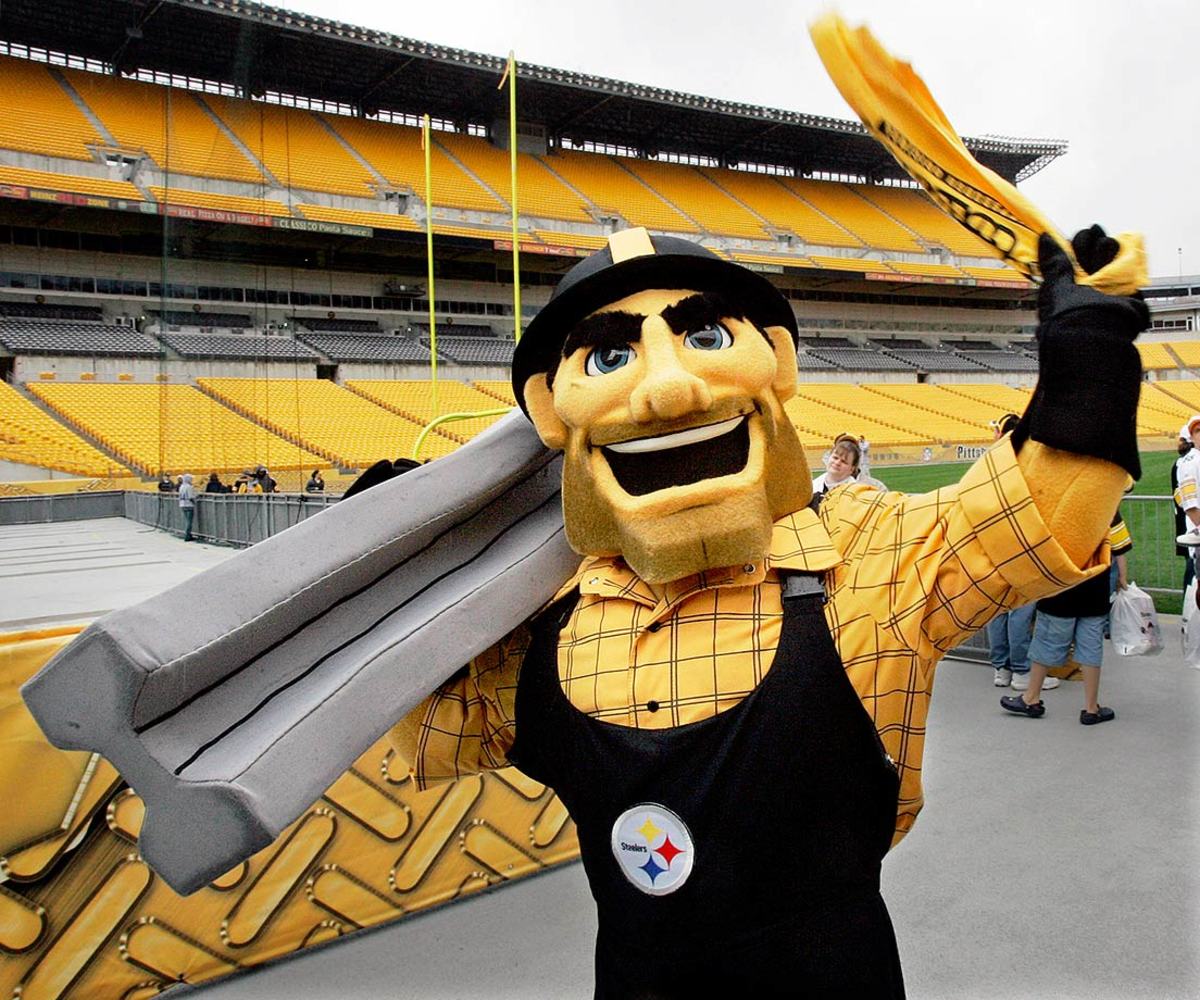
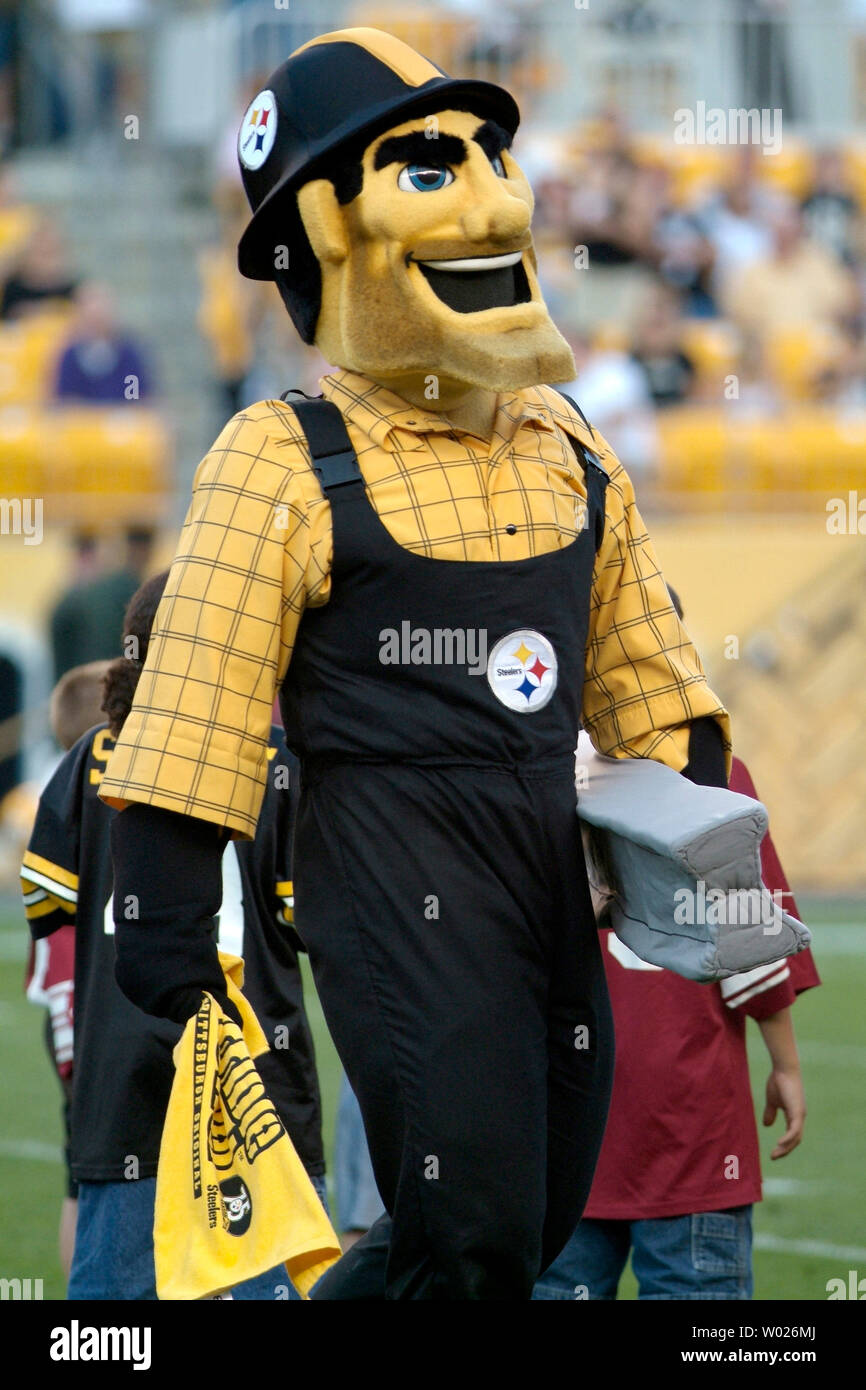
When one speaks of Pittsburgh Steelers mascots, the first and foremost name that comes to mind is Steely McBeam. Unveiled in 2007 to commemorate the team's 75th season, Steely isn't just a costumed character; he's a meticulously crafted symbol. His name itself is a nod to the city's rich steel heritage and the team's iconic "Steelmark" logo. With a hard hat, a muscular physique, and a beaming smile, Steely McBeam perfectly encapsulates the strength, determination, and friendly demeanor often attributed to Pittsburghers.
He was designed to represent a steelworker, reflecting the backbone of the city's industry and the foundational grit of the football team. His presence at games, community events, and charitable functions extends the Steelers brand beyond the gridiron, making the team's values tangible and accessible to fans of all ages. Steely quickly became an integral part of the game-day experience, a true embodiment of the energy and passion that fuels the Steelers Nation. The enduring appeal of Pittsburgh Steelers mascots, particularly Steely, showcases their vital role in community engagement.
Beyond the Sidelines: Mascots as Cultural Touchstones
While Steely McBeam is the official face, the concept of Pittsburgh Steelers mascots extends into the broader cultural fabric surrounding the team. From the earliest days, informal figures, fan traditions, and even the very iconography of the team have served as mascots in spirit. The Steelmark itself, with its three hypocycloids, is arguably the most powerful unofficial mascot, representing coal, steel, and railroad — the building blocks of both Pittsburgh and the Steelers' identity.
- •Purple Reign: Unlock The Ultimate Guide To Purple Aesthetic Laptop Wallpapers
- •Premiere Pro Transitions: Unlock The Secret To Visual Storytelling With Elegance And Pizzazz
- •Randy Quaid: Unveiling The Turbulent Tale Of A Hollywood Enigma
- •Roadrunner Transportation: A Cautionary Tale Of Bankruptcy And Rebirth In The Logistics Industry
- •Red Sox And Rays Go Head-to-Head: Unpacking The ESPN Numbers
These symbols and characters transcend mere entertainment; they become cultural touchstones, passed down through generations. They evoke a sense of shared history, collective pride, and unwavering loyalty. When fans see Steely McBeam, they don't just see a person in a costume; they see a representation of everything the black and gold stand for. This deep connection is precisely why Pittsburgh Steelers mascots are a symbol of the team's unbreakable spirit, fostering a sense of belonging that few other franchises can match.
Forged in Iron: Uniting Generations Through Mascots
The role of mascots in sports is often underestimated. For the Steelers, Steely McBeam and the broader symbolic imagery help bridge the gap between young fans and the team's rich history. A child's first high-five from Steely can spark a lifelong allegiance, connecting them to the team's legacy even before they fully grasp the intricacies of the game. This intergenerational appeal is crucial for sustaining the fan base and ensuring that the "unbreakable spirit" continues to thrive.
Events like Steely's initial unveiling or his appearances at local schools create memorable experiences that reinforce the team's community-first approach. These interactions solidify the idea that the Steelers are more than just athletes; they are a vital part of Pittsburgh's identity. Indeed, the consistent presence and positive image of Pittsburgh Steelers mascots are instrumental in reinforcing the team's enduring values and traditions.
An Unyielding Symbol: Pittsburgh Steelers Mascots A Symbol Of The Teams Unbreakable Spirit
Ultimately, the Pittsburgh Steelers mascots embody the very soul of the franchise. They are not simply props; they are living extensions of the team's ethos: hard work, resilience, and an unwavering commitment to excellence. From the roar of the crowd fueled by Steely's antics to the deeper historical resonance of the Steelmark, these mascots serve as constant reminders of what it means to be a Steeler and a Pittsburgher. They encapsulate the grit forged in the city's industrial past, the never-say-die attitude of its athletes, and the enduring passion of its fans.
As the team continues to forge new legacies, the image of their mascots will undoubtedly remain a powerful touchstone, connecting past glories with future aspirations. They are, without question, a vibrant, tangible manifestation of the Pittsburgh Steelers' unbreakable spirit, celebrated by a nation united in black and gold.
Additional context and verified research data can be verified on Wikipedia's Public Archives.


